
The Small Things That Make Guests Think “This Place Gets Me”

Creating unforgettable guest experiences at a small hotel doesn’t require a loyalty program, a chatbot, or a big hotel budget. You just need to pay attention
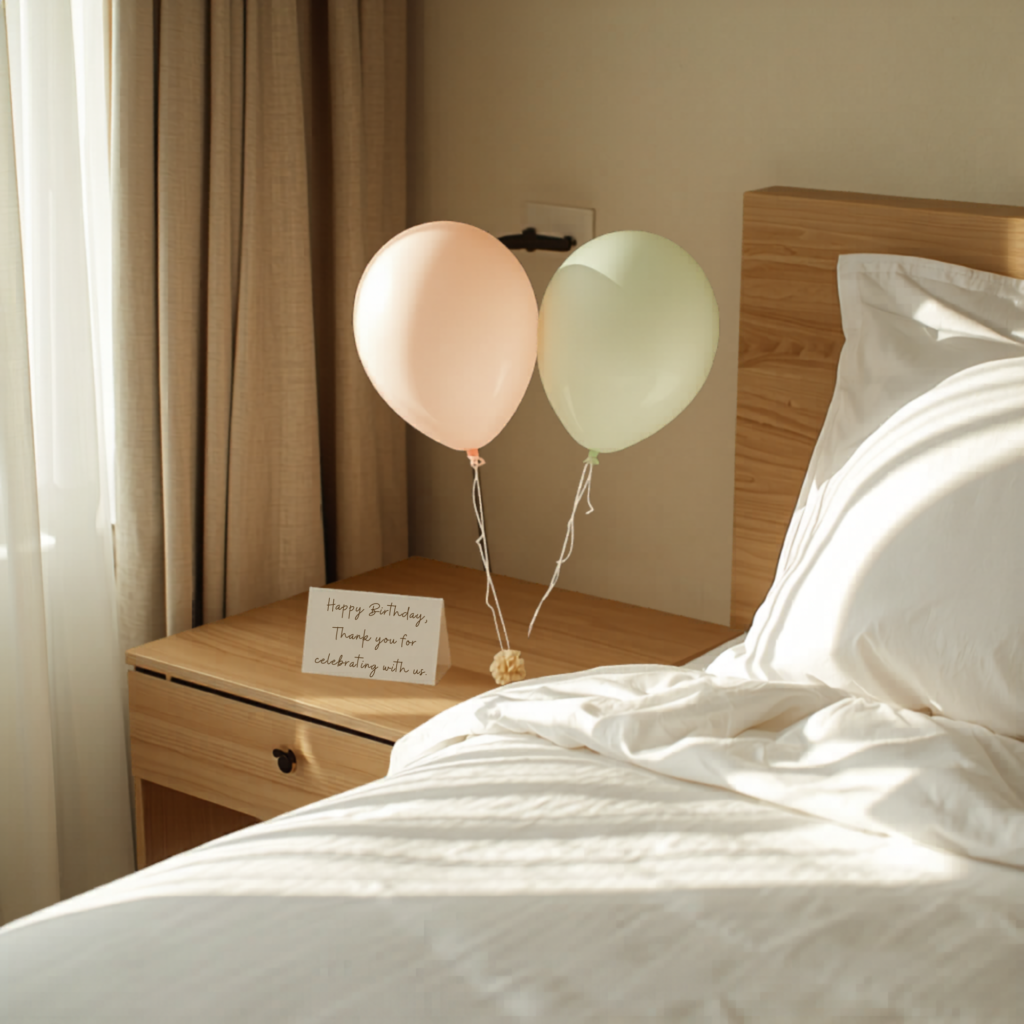
There’s a moment; you’ve probably felt it somewhere; when a place seems to already know you. The pillow is the right firmness. There’s a small card with your name on it, handwritten, slightly crooked in the most human way. A snack on the nightstand that somehow tastes exactly like where you are. You didn’t ask for any of it, and yet there it is.
That feeling is not magic. It’s not a loyalty algorithm or a five-star budget or a big staff. It’s just someone, somewhere, paying attention. And in an industry full of keycard dispensers and laminated welcome letters, that kind of attention hits like a revelation.
Are your guests having memorable stays at your hotel? Is your team invested in making them feel special? Or is every guest just another guest?
Here’s the thing about guests nowadays: they receive all the attention and personalization that apps can provide, and yet they crave personal connection. They have apps that remember their favorite coffee. Airlines text them before they’ve even thought to check the gate. Streaming services have practically memorized their mood. And still, walk into most hotels and what do you get? A smile that’s technically polite, a key card, and a folder of information nobody reads.
It’s not that guests are ungrateful. It’s that they’ve tasted something better, and now they can feel its absence.
What they’re starving for isn’t more technology. It’s the oldest thing in hospitality: being seen. And that specific, irreplaceable sensation is something big hotel chains can’t manufacture at scale. It requires a human. It requires you.
Making It Personal Isn’t Optional Anymore
Personalization has quietly crossed the line from luxury into expectation. Not the five-star kind; the human kind. When guests don’t feel it, they don’t necessarily complain about it. They just describe your property with the most devastating word in hospitality: fine.
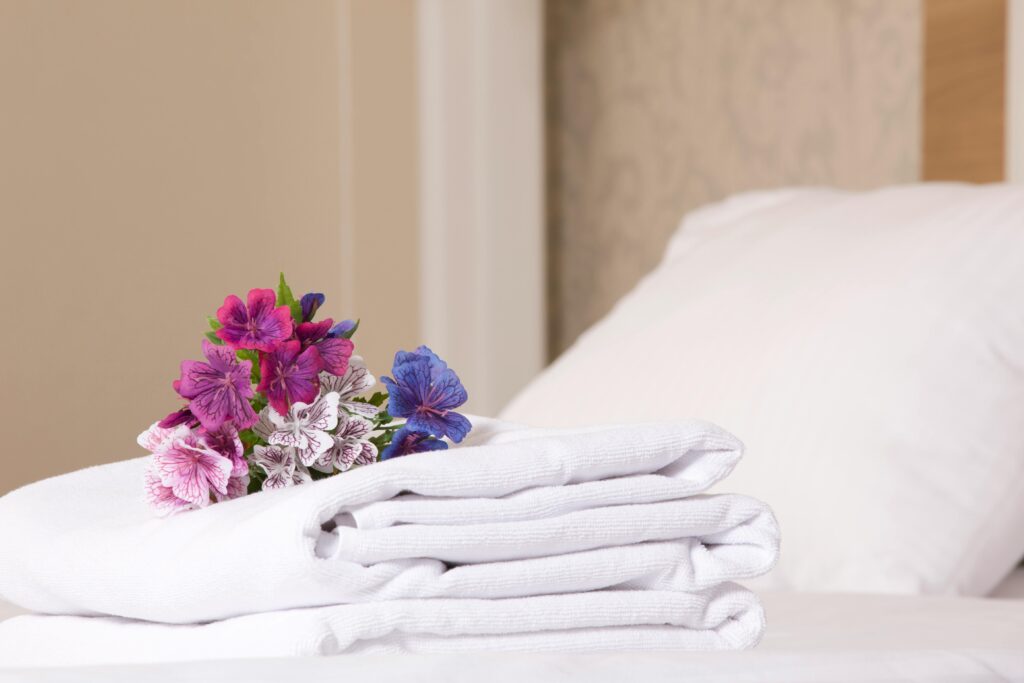
“Fine” is the review that fills no rooms. “Fine” is what happens when a guest has a perfectly pleasant stay and then immediately forgets it. “Clean but impersonal.” “Nothing special.” Words that slip past future guests like smoke in the air.
But when a guest does feel seen, something almost unfair happens. They spend more and they review louder. They come back, not because you ran a discounted rate, but because you remembered they were allergic to feather pillows.
Start Simpler Than You Think
You can start making your hotel more personal right now. Before you contact your PMS vendor or explore new hospitality software to manage guest preferences, just open a spreadsheet. Seriously. A shared Google Sheet with a few columns is enough to begin.
What are you capturing? The details that matter: dietary needs, reason for visit (anniversary, business trip, grief retreat, something else), past issues you’ve already solved so they don’t happen twice, a birthday, a pet, a preference for quiet rooms facing away from the street.
Review it before they arrive. Act on one thing, just one; and you’ll experience the look on a returning guest’s face when they realize you remembered something small and specific about them. That look is free and genuine.
Target the Moments That Actually Matter
You cannot personalize everything. Trying to would exhaust you and your team and, frankly, lose the essence. The goal isn’t do-it-all; it’s elegance. A well-placed gesture at the right moment does more than a dozen generic touches scattered across the stay.
There are six windows where a small thing lands large. We call it “The Stay Arc”. Six moments in every stay where the right touch quietly changes everything.
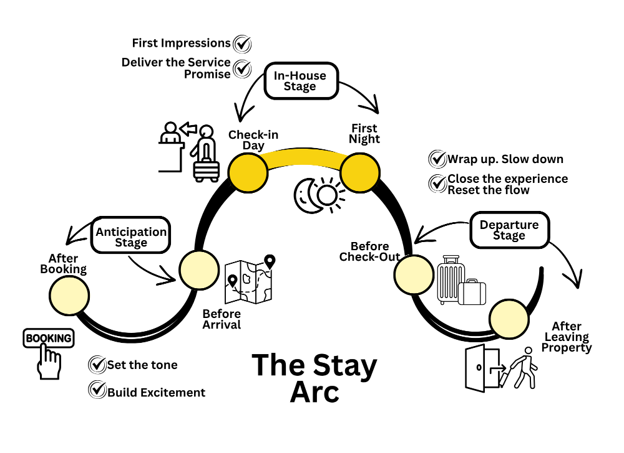
(I am working on a deeper article about The Stay Arc, the stages and phases of the guest stay. Stay tuned.)
- After booking — Set the tone
- Before arrival — Build excitement
- Check-in — First impression
- First night — Deliver the promise
- Morning before departure — Wrap up time. Slow it down
- After they leave — Close the experience. Reset the flow
You don’t need to own all six. A warm, specific pre-arrival message that uses someone’s name and mentions something real about their stay sets an emotional tone before they’ve even pulled out their suitcase. It says: we know you’re coming. We’re glad. We’ve thought about it. That’s not data; that’s just care, dressed in two sentences.
The Welcome That Cost Almost Nothing
There is a particular kind of magic that happens in the space between what a guest expected and what they actually found. It doesn’t live in the thread count of the sheets or the view from the window. It happens when reality competes with expectation; and the beautiful secret of it is that it costs almost nothing to do.
The welcome that costs almost nothing is not a budget strategy. It’s a philosophy. It’s the decision made once, practiced daily, that the people who come to your lobby deserve a moment of genuine attention. And that a single, well-placed gesture, offered without fuss or expectation, is worth more than any amenity line on a booking site.
Follow any of these to enhance your guest’s stay:
The Handwritten Card
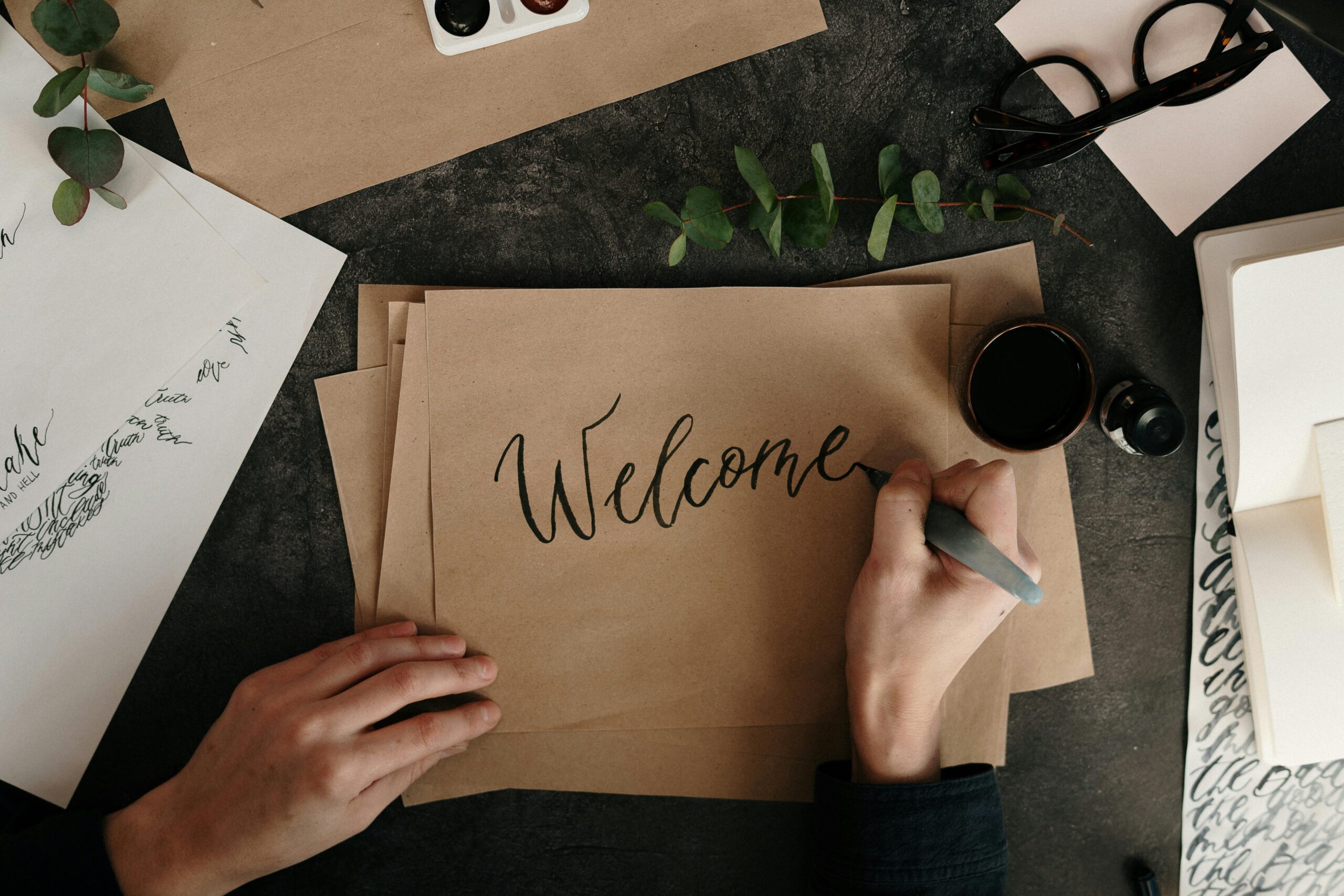
The handwritten card sounds too simple to matter. And that’s exactly why it does.
In a world of automated confirmation emails, digital check-ins, and QR codes pointing to other QR codes, a piece of paper with actual handwriting on it is almost disorienting in the best way. It belongs to a different era; one where someone sat down, picked up a pen, and thought about you specifically for thirty seconds. That’s all it takes: your name, a warm sentence, maybe a mention of what you hope their stay brings them, and your signature.
The message doesn’t need to be eloquent. It needs to be real. A slightly imperfect sentence written by a human hand communicates something a perfectly formatted welcome letter never can: a person made this for you.
Tuck a QR code to your review page at the bottom, like a quiet afterthought; a P.S. that says, “if you feel like it, we’d love to hear from you.” Guests who feel welcomed want to say so. You’re just making it easy.
For more information on how to set up a personalized QR code for your review platform, send us an email. We’re happy to help on your own terms.
The Pillow Menu
The pillow menu is small enough to be ridiculous and meaningful enough to be remembered for years.
A small card on the bed; firm or soft? extra pillow available on request; does something quietly profound. It communicates that sleep, the most fundamental purpose of the room, was worth thinking about ahead of time.
Guests often don’t know what they want until someone asks. Nobody thinks to request a different pillow while standing at a front desk answering questions about parking. But alone in their room, reading a small card, in the particular vulnerability of someone who’s been traveling all day, the offer lands differently. It says: you can actually rest here.
This is a great option to generate engagement if your hotel has the inventory to offer different pillow settings.
The Local Snack
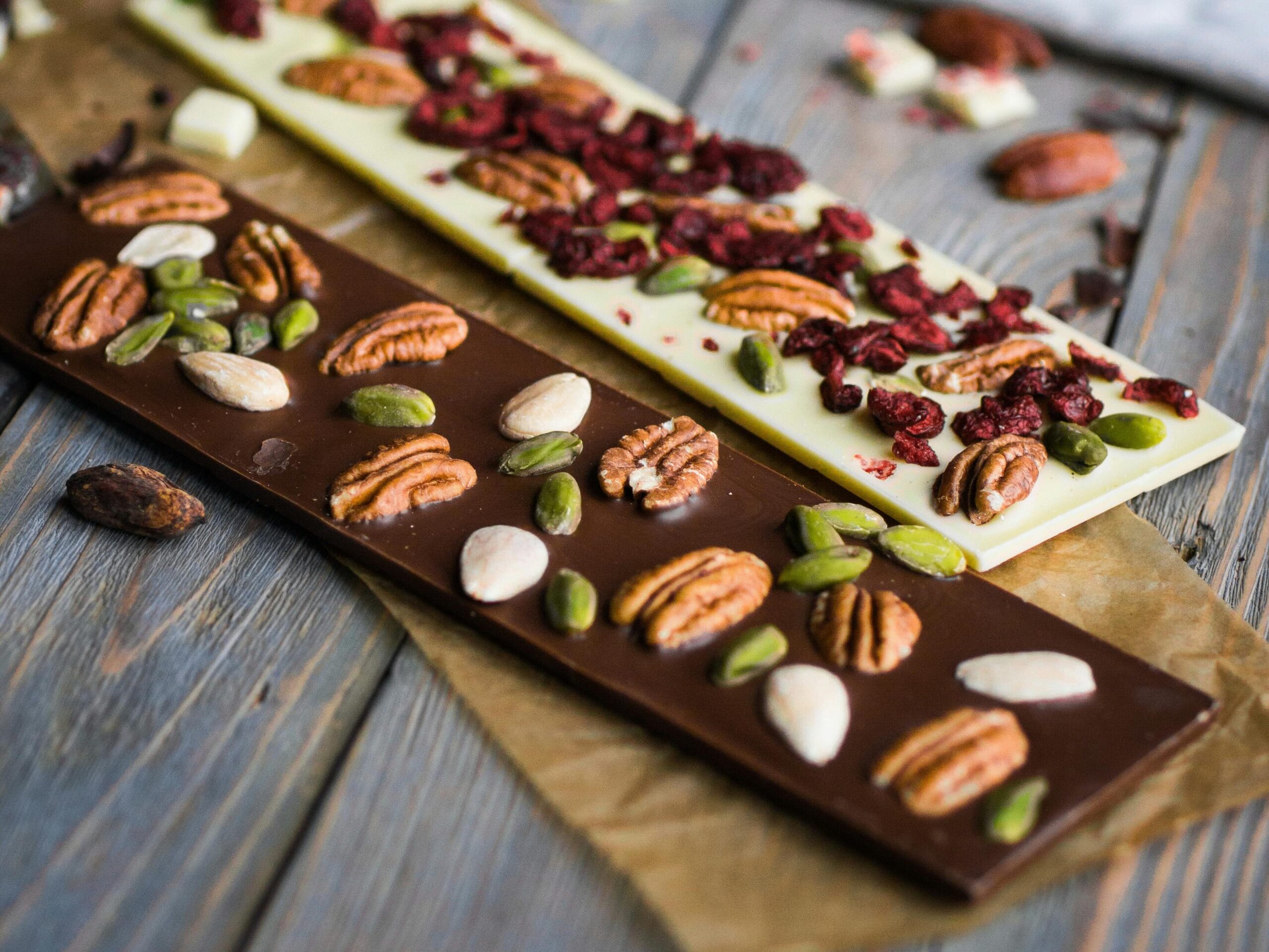
Skip the shrink-wrapped cookie from the big chain store. Skip the generic chocolate bar that could have been placed in a hotel room in any city on earth. Find something that tastes like where you are. The jam from the farm twenty minutes up the road.
The chocolate bar from the small-batch maker in the neighborhood. The jerky, the honey, the hot sauce, the biscotti; whatever the local thing is, that thing. Placed on the nightstand or tucked next to the welcome card, it does something no amenity catalog can replicate: it starts telling the story of the place before the guest has even unpacked.
The Acknowledgment of a Special Occasion
The acknowledgment of a special occasion is, perhaps, the highest art form in this category, because it requires the most restraint.
There is a version of this that goes wrong; it lands in overperforming and can make the guest feel slightly ambushed. The version that goes right is quieter: a small card that reads, “we understand this is a special trip, we hope it’s everything you hoped for.” A single flower on the nightstand. A glass of something waiting when they arrive. Something enough to say: we know. We’re glad you’re here for this. The occasion belongs to them.
The Detail You Collected from Nowhere
This is the rarest, and the most meaningful in the most wonderful sense.
A guest mentioned, three months ago when they booked, that they were coming to scatter a parent’s ashes at a nearby lake. You noted it. You didn’t make it a thing. But when they arrived, there was a card. It said, simply: we hope the lake is beautiful. Nothing more.
That guest will never stay anywhere else.
This sounds extraordinary, but it isn’t. It’s just the natural result of paying attention. People tell you things in booking notes, in random comments at check-in, in the email where they asked about parking and mentioned in passing that they’re here for a reunion. Those details don’t expire.
None of this requires a concierge team. It doesn’t require a hospitality tech expert, a wellness consultant, or a brand refresh. What it requires is something closer to what good hosts have always had; a particular quality of noticing.
Make them feel it before they’ve even opened their suitcase. The rest of the stay takes care of itself.
All of this works only if the people delivering it don’t feel like they need to ask a manager before they do anything memorable. Get your team into the habit of using names, naturally, not like they’re reading off a screen. Learn to offer help before it’s asked for.
Give everybody on your team the empowerment to make small gestures without a sign-off, a form, or a policy review. The micro-moments accumulate into something a guest feels but can’t quite articulate. A stay that just worked. That felt easy. That felt, oddly, like being somewhere you’d been before.
Close the Loop Before They Forget You
The departure is not the ending. It’s the last line of the story, and it determines how the whole thing is remembered.
A personalized thank you that mentions something specific; not “hope to see you again!” or the silent billing landing in their email, but “we hope the farmers market on Saturday was worth the walk”. This lands in a completely different place than a templated sign-off. It says: we were paying attention the whole time.
And this is your best shot at an honest review. Invite one. Make it frictionless, one link, one QR code, one sentence. Guests who feel seen want to say so. Let them.
The difference between warm and unsettling is one breath of genuine thought. You already know what to do. You just have to decide to do it.
Final Thoughts
Great guest experiences aren’t built with big budgets or complex technology; they’re built with attention. In a world overflowing with automation, guests are craving something simpler and more powerful: to feel seen. As a small hotel operator, you have a rare advantage here. By noticing the details that matter and acting on just one at the right moment, you can turn a “fine” stay into one a guest never forgets.
Start a simple preference list. Write a real note. Acknowledge a guest’s story without overdoing it. Then watch the reaction. If you’re ready to build these small systems intentionally, reach out to us ; we’d love to help you turn attention into loyalty, one thoughtful detail at a time.
The Welcome That Cost Almost Nothing pack is free for you in The Back Office, our resource library built specifically for small hotel operators. Not subscribed yet?
Everything is ready to use tonight. Already subscribed? Check your welcome email for direct access.
Miedzarhi,

One Comment