How to Respond to a Guest Disturbance at Your Small Hotel.
A quiet night in San Juan.
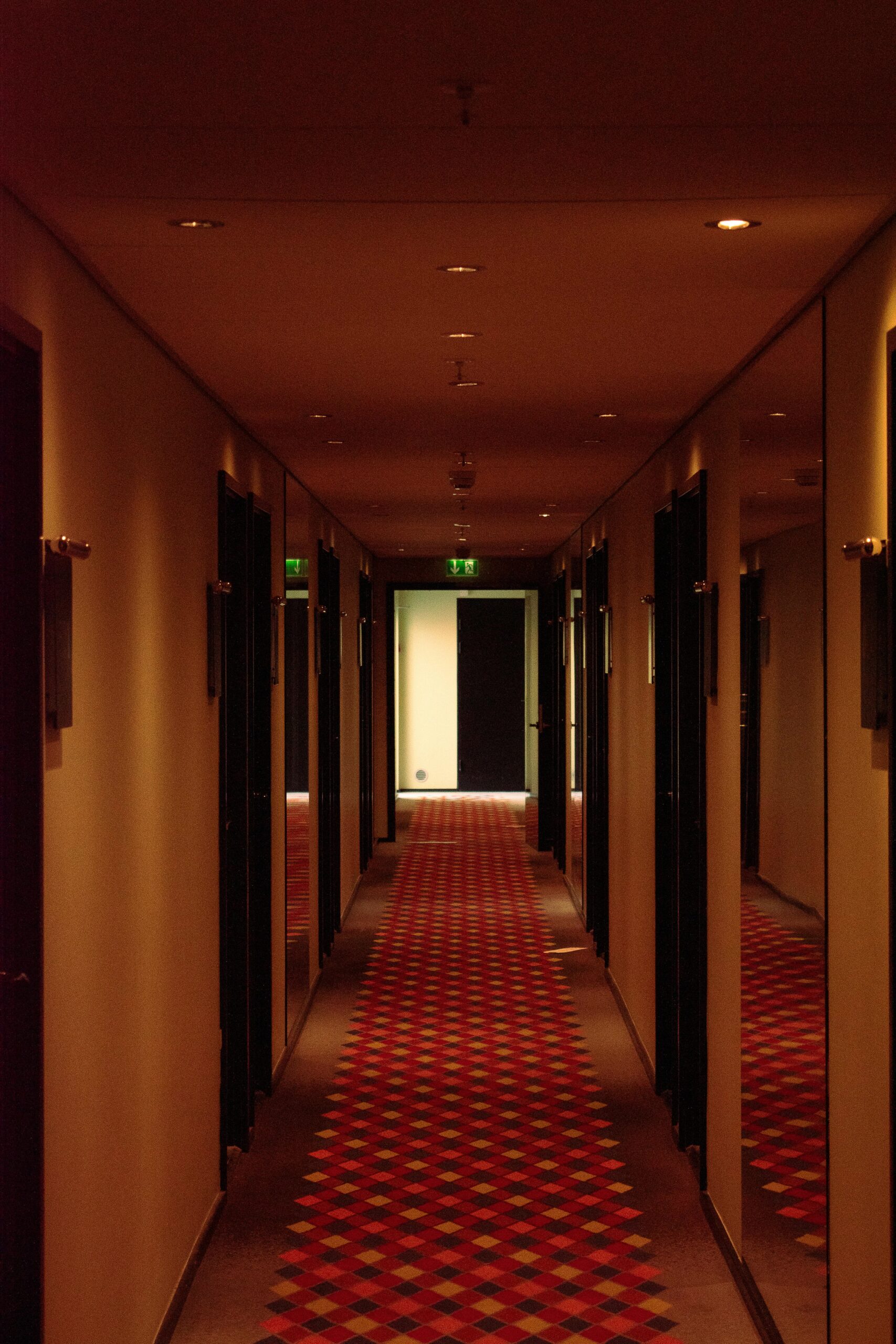
During my time task-forcing, responding to a guest disturbance without a security team was the norm. In this case, I was assigned to an iconic hotel renovation in San Juan, Puerto Rico; one of those properties where half the building is under construction, the other half is still hosting guests, and every night feels like a balancing act.
Around 12:40 AM, we received the first noise complaint. A guest quietly reporting loud voices coming from the room next door. As the operator communicated this, I told the MOD, “I got you sir, I’ll go with the Security Supervisor and another officer.” Part of it was to support them, and part of it was to see how the team was applying the training we’d been presenting. We went up, the supervisor knocked, introduced himself, and without hesitation the guest apologized. He didn’t realize how much sound carried through those thin walls.
For a moment, I celebrated with the team. Well done! Easy money! The hallway settled back into that late-night calm not all hotels in the Caribbean seem to have.
The Situation Escalates
Twenty minutes later, the second complaint came in; different caller, same room. This time the MOD joined us. The guest opened the door again, still polite but showing signs of intoxication. The MOD took the lead, reminded him about quiet hours, and even offered an alternative space downstairs if he wanted to keep talking with his friends. He thanked us, said he understood, and closed the door.
At 1:30 AM, the third complaint hit the desk. That’s when all of us responded. I stepped forward, steady and composed, explained the quiet-hours policy again and our three-complaint condition; meaning a fourth infraction could result in eviction. Something about the clarity finally landed. The guest nodded, apologized once more, and the noise stopped for good.
We documented the incident and left a follow-up note for the next MOD, Front Desk, and morning security shift. Thankfully, the rest of the night stayed quiet, even with construction crews starting early the next morning.
That’s how it works in a full-service hotel: clear policies, trained staff, and a structured escalation that protects the guest experience. However, independent properties and small hotels, not always can afford overnight security, or an MOD on site.
The Reality for Most Small Hotels and Independent Properties.
Across the U.S., most small hotels, inns, motels, and short-term rentals operate with:
- No overnight security team
- No Manager on Duty after hours
- No dedicated safety or security personnel
- No standards or Disturbance SOPs
- Often just one staff member on site; or none at all
The reality for small hotels without a dedicated security team is simple: the response depends entirely on whoever happens to be working that night. Therefore, when a disturbance happens; things become unpredictable fast. That’s exactly why small and independent operators need to build simple, and consistent systems the whole team can rely on.
Industry surveys show that most small properties can’t afford or don’t employ dedicated overnight security. Operators rely on a single front desk agent, an on-call manager, or even remote monitoring. So what do you do when something is happening?
First, What Counts as a Guest Disturbance?
A disturbance isn’t always dramatic. In fact, it’s not always a fight, or a police call. In small properties, it’s any situation that threatens safety, comfort, or the operation; even something as simple as a repetitive noise complaint.
Anything that disrupts the stay, affects other guests, or puts staff in a difficult position qualifies as a disturbance. Without a clear definition, staff don’t know when to act, how to act, or what authority they have.
How to Handle a Guest Disturbance at Your Small Hotel?
Small property operators need a simple, repeatable framework.

1. Assess From a Distance
Before knocking on any door:
- Listen from the hallway
- Observe the environment
- Stay out of sightlines
- Avoid placing yourself between people or in confined spaces
Your goal is awareness, not confrontation. Remember, if it feels unsafe, it usually is. If it feels safe, make your approach.
2. Communicate Calmly and Professionally.
Your tone should be neutral, respectful, and non-accusatory.
“Good evening, this is John at the front desk. We received a noise complaint and want to make sure everything is okay.”
Tone is your biggest tool.
3. Set Clear Expectations.
In most cases, a guest disturbance at your small hotel will resolve after the first approach, mostly because you set clear, respectful expectations.
“Thank you, I appreciate your cooperation. We just need to keep the noise down for the night.”
Short. Simple. Direct.
4. Know When NOT to Engage.
If at any point you observe aggression, threatening behavior, property damage, signs of violence, or a guest refusing to cooperate; your priority is safety, not winning an argument.
In these cases:
- Step back
- Remove yourself from the area
- Contact your on-call manager
- Call emergency services immediately
This is the line you do not cross trying to handle it yourself. Small properties must avoid physical confrontation at all costs. Even large branded hotels are 9-1-1 dependent; and so should you be when it gets to that point.
5. Document Everything
The size or impact of an incident, should not matter; document everything. Therefore, even a simple disturbance should be logged to protect your property.
Document:
- Time
- Room number
- What you heard
- What you said
- Guest response
- Any follow-up
- Emergency services involvement if applicable.
Your response doesn’t need to be complicated; just consistent, safe, and well documented.

Why Policies and Standard Responses Matter?
Guest disturbances are one of the most common incidents in hospitality; especially in properties where guests bring alcohol into rooms, there’s no screening, no on-site security, and staff often work alone.
Even a simple policy like “Three noise complaints may result in removal from the property” gives your staff authority and clarity. It also gives guests a predictable process, and it gives you documentation that stands up if a situation escalates.
Final Thoughts
Ultimately, small properties don’t need a security department to respond professionally; they just need a simple system that their team can follow at any hour. That’s why I create tools and practical resources built from real experience, to help small operators handle situations with confidence and consistency.
Subscribe below and you’ll find a disturbance response checklist and an incident report form you can download and use completely free. No strings attached, also, a Noise Complaint SOP you can adjust to your property.
If this helps you improve your operations or support your team, you’re welcome to contribute any amount through the donation link. It’s never expected, but always appreciated; and it helps me keep building tools, templates, and training materials for small hospitality teams.
Danilo,


One Comment